
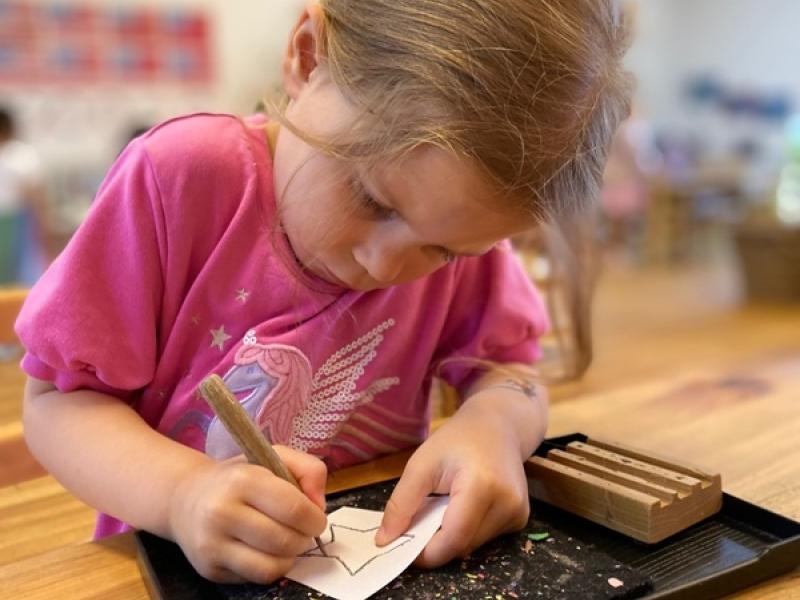

In Montessori education, freedom within limits is a foundational principle, especially for toddlers. It means giving children the freedom to make choices, explore, and express themselves, while also providing clear, consistent boundaries that help them feel safe and supported.
Why It Matters
In early childhood, the brain is growing rapidly, especially the areas responsible for decision-making, impulse control, and emotional regulation. Giving your child opportunities to make choices strengthens these parts of the brain. But without healthy limits, those choices can become overwhelming or unsafe.
Montessori environments—both at school and home—are designed to support this brain development by offering structured freedom. Children are free to explore within limits that are clear, consistent, and lovingly enforced.
Practical Ways to Apply Freedom Within Limits at Home
Here are some detailed examples of what this looks like in everyday routines:
Morning Routine
-
Freedom: Let your child choose between the two outfits you’ve selected.
-
Limit: Clothes must be weather-appropriate and put on before breakfast.
Mealtime
-
Freedom: Allow your child to serve themselves using child-sized utensils.
-
Limit: Only a small amount to start; more can be served after they finish.
Playtime
-
Freedom: Offer a few open-ended toys on a shelf they can reach.
-
Limit: They can choose one or two at a time and must return them before choosing more.
Bedtime
-
Freedom: Let them pick a bedtime story from a small selection.
-
Limit: One or two books only; then it’s time to sleep.
Emotional Moments
-
Freedom: Validate their feelings—“I see you’re upset.”
-
Limit: Offer a calm-down basket or quiet space—“You may take a break here and I’ll be close by.”
Toddlers are naturally curious and eager to do things on their own. When we offer them meaningful choices within safe limits, we’re helping them develop independence, self-discipline, and respect for others. Limits are not about control—they're about guidance and trust.